
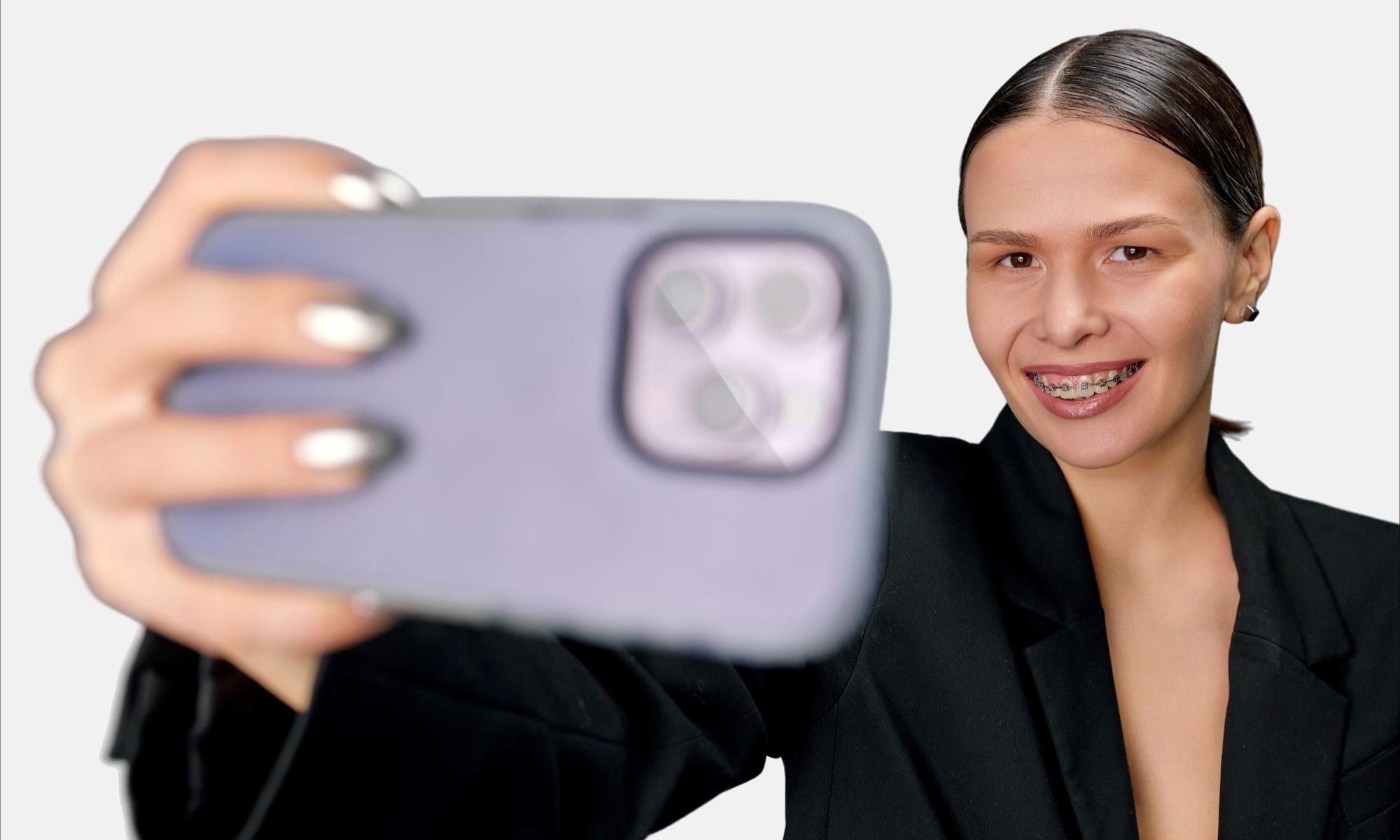
How to take a passport photo with braces: what you need to know
Getting a passport photo might sound like a simple task, but if you wear braces, you’ve probably wondered whether they’ll affect your picture. Do you need to hide them? Will they cause problems during approval? And most importantly—can you actually smile in your passport photo when you’ve got shiny brackets across your teeth? Let’s break it all down step by step. This guide covers everything you need to know about taking a passport photo with braces, from rules and tips to posing tricks and real-world examples.
Why Passport Photos Matter More Than You Think
Passport photos aren’t just simple snapshots—they are a critical part of your official identification. Unlike casual photos you might take for social media, a passport photo is legally binding and must accurately reflect your appearance at the time of issuance. This is why governments enforce strict guidelines on expression, background, lighting, and facial visibility. Even small deviations can lead to rejections, delays, or additional documentation requests. When you realize that a passport photo will be used to verify your identity repeatedly—at airports, immigration checks, and official borders—it becomes clear that every detail, from posture to facial features, truly matters.
When braces enter the picture, the stakes feel a little higher. While they are completely normal, braces are a visible change to your smile that could draw attention in the photo. They are part of your present appearance and, in some ways, define how you look at that particular stage of life. Ignoring or hiding them could result in an unnatural expression, while trying to manipulate your smile too much can violate the rules of a neutral passport photo. Understanding this helps you approach the photo session with confidence rather than anxiety.
Another reason passport photos are so important is their longevity. Depending on the country, a single passport can be valid anywhere from five to ten years. That means a snapshot taken today might serve as your primary identification for a decade. Over that time, facial changes—such as braces being removed or other minor dental adjustments—might occur. Therefore, including braces as they are now is actually a more honest representation of your identity, ensuring the passport remains a valid and reliable proof of who you are at the time it was issued.
Finally, passport photos play a functional role beyond borders—they are used in biometric recognition systems, ticket verification, visa applications, and official government databases. Accuracy and clarity are essential to prevent mismatches and security issues. When braces are visible, they become part of the facial structure that these systems analyze, which can help with accurate identification rather than cause problems. By embracing your braces and following photo guidelines, you ensure that your passport not only looks natural but also works effectively as a tool of global identification.
Can You Show Braces in a Passport Photo?
| Aspect | Explanation | Why It Matters | Examples | Tips for a Good Photo |
| Acceptance | Braces are allowed and considered a normal part of your appearance. | Officials won’t reject your photo solely because you’re wearing braces. | Glasses, freckles, and braces are all accepted features. | Ensure your braces are visible naturally, without altering your expression unnaturally. |
| Representation | The photo should reflect your usual appearance. | Passport photos are meant to be an accurate ID for years. | If you wear braces daily, they should appear in the photo. | Keep your lips relaxed; avoid forcing a smile or pressing your lips unnaturally. |
| Duration | Braces may be part of your look for months or years. | Since passports last 5–10 years, showing braces represents your current stage in life. | Teenagers or adults mid-treatment often have visible braces in official documents. | Decide whether your braces will still be relevant by the time the passport is valid. |
| Neutrality | Expression should remain neutral even with braces. | Helps meet passport photo requirements and avoids rejections. | Closed-lip or slight relaxed-lip expression is ideal. | Practice a neutral but relaxed expression in the mirror before taking the photo. |
| Accuracy | Braces provide an honest representation of your face. | Identity verification systems and border officials rely on accurate photos. | Removing braces digitally or hiding them is discouraged. | Focus on clear lighting and posture to highlight your face naturally, including braces. |
Do You Need to Hide Your Smile Because of Braces?
- Most countries require a neutral facial expression in passport photos, which means avoiding broad grins or exaggerated smiles.
- Showing teeth in a passport photo is generally discouraged, but braces themselves are not a reason to alter your expression unnaturally.
- A neutral look doesn’t mean a stiff or forced expression; you can maintain a relaxed, approachable demeanor.
- Pressing your lips too tightly together can make your face look uncomfortable or unnatural, which might cause the photo to be rejected.
- Aim for a “serious but friendly” expression—think calm and composed rather than blank or overly tense.
- Your braces should appear as part of your natural look, not hidden or altered digitally.
- Small adjustments, such as slightly parting your lips just enough to look relaxed, can make a big difference in how natural the photo appears.
- Lighting and camera angle play a role in how noticeable your braces are; proper frontal lighting prevents shadows that exaggerate them.
- Keep your head straight and your chin level to avoid distortion, which can make your braces stand out more than they naturally do.
- Avoid tilting your head or forcing a side angle; passport guidelines require a full-frontal view for accurate identification.
- Practice in front of a mirror to find the expression that looks neutral but comfortable, with braces visible without dominating your face.
- Stay relaxed with your eyes—wide-open or overly squinted eyes can make your neutral expression appear unnatural.
- Keep facial muscles relaxed; tension in the jaw or cheeks can make braces look more pronounced and affect the overall impression.
- Remember that border officials focus on clarity and identification, not aesthetics; your braces will not cause rejection if your expression is correct.
- The goal is to show yourself as you normally appear during the period you will hold the passport, including your braces as a natural part of your face.
Global Rules for Passport Photos with Braces
Passport photo rules may seem straightforward, but they vary slightly from country to country, especially regarding facial expressions and what is considered acceptable in official identification. While the presence of braces is universally allowed, how you position your mouth and the type of expression you can show differs. For example, some countries are stricter about keeping lips completely closed, while others allow a very subtle, relaxed expression. Understanding these nuances can save time and prevent the frustration of having a photo rejected.
In the United States, passport photos require a neutral facial expression, with the mouth closed and eyes open. Braces are completely acceptable, but a toothy smile is not. The focus is on presenting a clear, accurate representation of your face for identity verification purposes. Similarly, in the United Kingdom, a neutral expression is mandatory, and the mouth must remain closed. Braces are considered a normal feature, so there’s no need to hide them, but the photograph must remain natural and unaltered.
Canada and Australia also follow the neutral-expression rule, though slight differences exist in terms of lip positioning. In Canada, no smiles showing teeth are allowed, while in Australia, relaxed lips together are preferred. Both countries accept braces in the photo, acknowledging that dental appliances are part of a person’s current appearance. Officials in these countries prioritize clarity and natural representation over aesthetics, making it important to follow the guidelines precisely while still showing your braces naturally.
In India, passport photo guidelines similarly require a neutral facial expression and advise avoiding smiles. Braces are accepted, and the key is to maintain a relaxed, natural look that reflects how you normally appear. Across all countries, the universal principle is that braces are fine, but a neutral, well-lit, and properly framed photo is essential. Adhering to these global rules ensures that your passport photo is accepted without delays and accurately represents you, braces included.
Why Neutral Expressions Are Important
| Aspect | Explanation | Why It Matters | Examples | Tips for a Neutral Look |
| Identity Verification | Passport photos are used by border agents and digital systems to match your face. | Smiling can alter facial features slightly, making recognition harder. | Biometric scanners may fail if teeth or braces distort facial proportions. | Keep lips relaxed and mouth closed or slightly parted in a natural way. |
| Consistency Over Time | Faces can change, especially if braces are removed or other dental adjustments occur. | Neutral expressions ensure the photo remains accurate throughout the passport’s validity. | A photo taken mid-treatment will still match your face after braces are removed. | Avoid exaggerated expressions; aim for a calm, composed look. |
| Braces Visibility | Braces can make a smile more noticeable, affecting facial symmetry. | A neutral expression keeps braces from distorting your overall appearance. | Smiling widely with braces can exaggerate facial curves and jawline. | Keep your mouth relaxed, so braces appear naturally without drawing excessive attention. |
| Official Compliance | Many countries require a neutral expression in passport photos. | Following guidelines prevents rejection or delays in processing. | USA, UK, Canada, Australia, and India all enforce neutral-expression rules. | Practice in front of a mirror to find a neutral, natural look that meets official requirements. |
| Photograph Clarity | A neutral face ensures key features—eyes, nose, jawline—are clearly visible. | Clear features improve identification accuracy for both humans and AI systems. | A wide grin may obscure the shape of your cheeks or jawline. | Use good lighting and a frontal camera angle; relax facial muscles for best clarity. |
Tips for Taking a Passport Photo with Braces
- Relax your lips naturally – Avoid forcing a tight-lipped expression; let your mouth rest in a comfortable, neutral position to ensure your braces look natural without drawing excessive attention.
- Practice in front of a mirror – Experiment with different neutral expressions to find the one that looks relaxed but not stiff. This helps you feel more comfortable during the actual photo session.
- Check your lighting carefully – Proper lighting prevents harsh shadows that can exaggerate the appearance of braces and highlights your facial features evenly. Natural light or soft, diffused lighting works best.
- Maintain straight posture – Sit or stand up straight with your shoulders back. Braces may attract attention, but good posture keeps the focus balanced and ensures a professional-looking photo.
- Avoid flashy colors in clothing – Bright or neon-colored outfits, especially near your face, can draw attention away from your neutral expression. Neutral tones like gray, navy, or earth colors complement your look better.
- Keep hair away from your face – Hair covering your forehead or cheeks can create shadows and obscure important facial features, which may cause the photo to be rejected.
- Minimize reflections on braces – If your braces are metallic, adjust your angle slightly or use soft lighting to avoid glare on brackets, which can distract from your neutral expression.
- Use a plain background – Passport photos require a simple, solid-colored background, usually white or light gray. This ensures your face, including braces, is the main focus.
- Keep your eyes open and natural – Relax your eyes to avoid a surprised or squinting look. The expression in your eyes contributes to the overall neutrality of your face.
- Avoid accessories that distract – Hats, scarves, and large jewelry can interfere with proper facial framing. Braces are part of your identity; nothing else should compete for attention.
- Check camera angle – The camera should be at eye level for a straight-on shot. Tilting your head too much can distort facial proportions and make braces more pronounced.
- Stay consistent with facial muscles – Avoid tensing your jaw or cheeks, as this can exaggerate the appearance of braces and create an unnatural expression.
- Ensure proper focus – Blurry photos are always rejected. Make sure the camera is focused clearly on your face to capture all features accurately, including your braces.
- Wear minimal makeup if desired – Subtle makeup can help highlight your eyes and balance your facial features without drawing focus away from your neutral expression.
- Take multiple practice shots – Take several test photos to see how your braces and expression appear on camera, adjusting as needed before the final photo.