
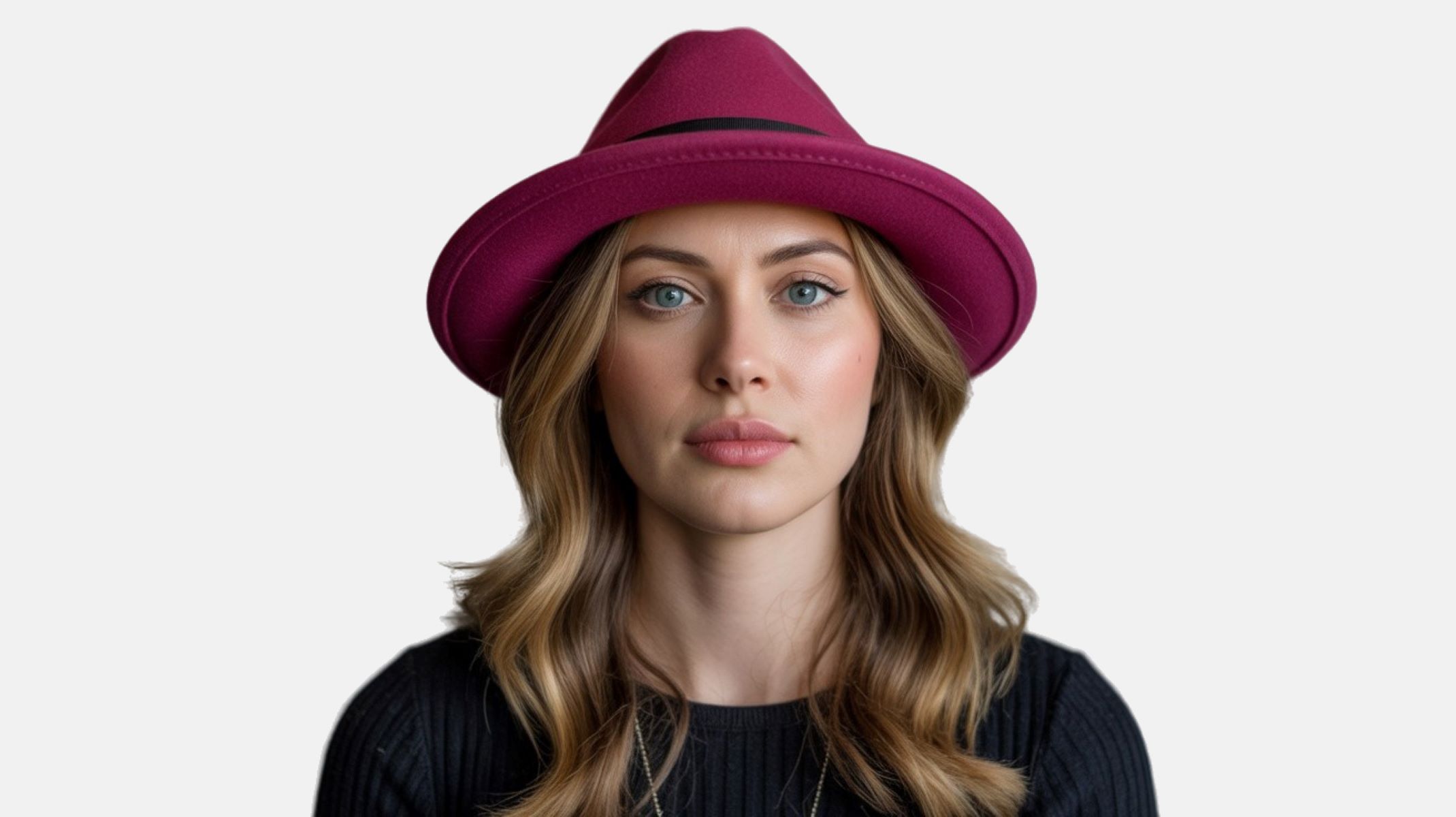
Can you wear a hat or head covering in a U.S. passport photo?
Getting your U.S. passport photo right can feel like a surprisingly tricky task. You might think, “It’s just a picture, how hard can it be?” But the rules are strict, and even small mistakes can mean your application gets rejected. One of the most common questions people ask is whether they can wear a hat or head covering in their passport photo. After all, many of us wear hats for style, religion, or medical reasons. Let’s break it all down step by step so you know exactly what’s allowed, what isn’t, and how to make sure your photo passes without a hitch.
Why Passport Photos Have Strict Rules
The U.S. Department of State enforces strict rules for passport photos because your passport is more than just a travel document—it’s a legal proof of your identity. Every element in the photo matters because border security and law enforcement agencies rely on it to verify who you are. A clear, standardized photo ensures that you can be quickly and accurately identified, reducing the risk of identity fraud, mistaken identity, or security breaches at airports, borders, and other official checkpoints. Even small deviations from the guidelines, like tilting your head slightly or having shadows on your face, can make a significant difference in how easily your identity is confirmed.
A passport photo is designed to meet specific criteria for facial recognition systems. These biometric systems analyze distinct facial features such as the distance between your eyes, the shape of your jawline, and the contour of your nose. If your photo is blurry, poorly lit, or obstructed by accessories such as hats or sunglasses, these systems may struggle to read your facial features accurately. This is why even minor errors in lighting, background color, or pose can result in your passport application being delayed or rejected. The rules are there to make sure that both humans and machines can quickly recognize you.
Another reason the rules are strict is to maintain uniformity and fairness. Imagine a border agent trying to verify travelers from around the world, each with photos taken under wildly different conditions. Standardized passport photo requirements create a consistent baseline, ensuring that every traveler is evaluated equally. Without these rules, differences in lighting, expression, or headgear could create confusion, increase processing times, and even cause unnecessary scrutiny at security checkpoints. Uniform guidelines reduce these problems and create a smoother, more reliable system for international travel.
Finally, strict photo rules also protect the individual traveler. If your photo doesn’t comply with the requirements, it can lead to multiple delays, forcing you to retake and resubmit your application, sometimes at additional cost. It also ensures that your passport accurately represents your current appearance, which is crucial for safety and legal reasons. In short, these rules are not arbitrary—they exist to protect your identity, streamline security processes, and guarantee that your passport can be used reliably wherever you travel.
General Rule: No Hats Allowed
- You cannot wear any hats, caps, beanies, or fashion headwear in a U.S. passport photo. This includes baseball caps, fedoras, berets, bucket hats, sun hats, or any other type of headgear worn for style or personal expression.
- Fashionable hats are strictly prohibited because they obscure your facial features, which are the most important part of a passport photo. Even if the hat is small or worn at an angle, it can hide the shape of your forehead, hairline, or the outline of your face.
- Hats create shadows that can interfere with the lighting requirements of a passport photo. Shadows over the eyes, nose, or cheeks can make it difficult for both humans and facial recognition systems to identify you accurately.
- Wearing a hat for style can also cause confusion with head coverings that are allowed for religious or medical reasons. Passport officials may reject your photo if they cannot immediately determine why you are wearing it.
- Any hat that is part of a “signature look” or personal fashion choice is not considered acceptable. Your personal style must be set aside for the photo; this is a strict security and identification standard.
- Even casual headwear like a knit beanie, scarf draped over the head, or cap worn indoors is not allowed. The rules apply universally, and officials do not make exceptions for casual fashion items.
- The prohibition applies regardless of age. Adults, teenagers, and even children cannot wear hats for style purposes in passport photos.
- Seasonal or weather-related hats, such as winter caps, sun visors, or rain hats, are not permitted. Passport photos must be taken indoors with neutral lighting, free from external factors like sun or shadow interference caused by hats.
- If you attempt to wear a hat in your photo, your application will likely be rejected, requiring you to retake the photo and resubmit it, which can delay your passport processing.
- The bottom line: any hat that is not worn for a strictly religious or medical reason is not allowed. Remove it completely before your photo is taken to ensure smooth approval.
When Head Coverings ARE Allowed
| Type of Head Covering | Who Can Wear It | Purpose/Reason | Requirements | Notes |
| Hijab | Individuals practicing Islam | Religious daily wear | Face must be fully visible, including forehead, eyes, nose, and mouth | Must be worn regularly as part of faith, not just for photos |
| Turban | Individuals practicing Sikhism | Religious daily wear | Entire face visible, neat and fitted | Large or elaborate styles must not obscure facial features |
| Yarmulke | Individuals practicing Judaism | Religious daily wear | Face fully visible | Can be smaller, but cannot cover eyebrows or eyes |
| Tichel or traditional scarves | Individuals practicing certain Jewish or cultural traditions | Religious daily wear | Face fully visible, plain fabric preferred | Patterns or shiny fabrics may be questioned |
| Medical head coverings (wig, bandage, protective cover) | Anyone with medical necessity (hair loss, surgery) | Medical daily necessity | Full face visible, may require signed statement | Statement typically requested if covering is unusual or not easily recognized |
How the Head Covering Should Be Worn
Even when a head covering is allowed for religious or medical reasons, it must be worn in a way that does not obstruct your facial features. Passport photos are used for identification, so anything that hides or distorts your face can cause your application to be rejected. The main rule is that your full face—from the bottom of your chin to the top of your forehead—must be clearly visible. Shadows, folds, or fabric covering your eyebrows, eyes, nose, or mouth are not permitted, as they interfere with both human and machine identification.
The way the covering sits on your head matters just as much as the covering itself. Large, bulky, or elaborate headgear can alter the visible shape of your head and create problems for passport officials or facial recognition systems. Even if the head covering is perfectly acceptable for religious or medical reasons, excessive volume or decorative elements like tassels, pins, or ruffles may be flagged and rejected. A neat, fitted, and plain style is always safer and more likely to be approved on the first submission.
Another important consideration is your expression and posture. Passport photos require a neutral expression—no smiling, frowning, or tilting your head. Wearing a head covering makes it even more critical to maintain a straight, centered posture because the covering can shift the focus of the photo toward your forehead or cheeks. A neutral expression ensures that your identity remains clear, and it allows biometric systems to analyze your facial features accurately.
Finally, think of your head covering as part of your everyday look rather than a fashion statement or a photo accessory. It should sit naturally where it belongs, without altering the contours of your face or casting distracting shadows. The goal is simple: your face must be fully recognizable at a glance. By keeping the covering neat, fitted, and minimal in bulk, you comply with U.S. passport photo standards while still honoring your religious or medical needs.
Glasses and Other Accessories
- Glasses of any kind are not allowed in U.S. passport photos since 2016. This includes clear prescription lenses, reading glasses, and fashion eyewear. Even lenses without tint can cause glare or reflections that obscure your eyes, which is a major reason for rejection.
- Sunglasses, tinted glasses, or any eyewear that partially or fully covers your eyes are strictly prohibited. Passport photos must show your eyes clearly to allow both human identification and biometric facial recognition systems to function properly.
- Hearing aids are permitted in passport photos. Since they are considered medical devices, they do not interfere with the identification process and can remain in place during the photo.
- Jewelry is allowed, but only if it does not obstruct any part of your face. Earrings, necklaces, and small studs are generally fine, but large or dangling pieces that cover the jawline, cheeks, or chin may cause the photo to be rejected.
- Headphones, earphones, or other electronic accessories are not allowed. These items can cover parts of your head or face and create confusion during identification.
- Hair accessories, like large bows or decorative clips, should be avoided if they obscure any part of the face. Small pins or simple hair ties are acceptable as long as they don’t interfere with facial visibility.
- Scarves or wraps that are not religious head coverings are prohibited if they cover the neck, jawline, or parts of the chin and cheeks. The goal is to keep the entire face visible and unobstructed.
- Masks of any kind are not allowed, even medical masks, since they cover the nose and mouth. This rule ensures full facial recognition and compliance with passport photo standards.
- Other accessories like hats, helmets, or novelty items are strictly prohibited, regardless of size or style. Only approved religious or medical head coverings are exceptions, and even those must follow strict visibility rules.
- The bottom line: U.S. passport photos are very strict about accessories because anything covering your face can interfere with identification. Only items essential for religious, medical, or practical purposes (like hearing aids) are permitted.
What the U.S. State Department Says
| Rule/Guideline | Allowed or Not | Who It Applies To | Requirements | Additional Notes |
| Hats or caps worn for fashion | Not allowed | All applicants | Must be removed completely; any obstruction of face is prohibited | No exceptions for style, personal preference, or trends |
| Religious head coverings | Allowed | Individuals wearing head coverings daily for religious purposes | Full face must be visible; top of forehead to bottom of chin visible; may require signed statement | Must reflect your everyday religious attire; elaborate or bulky styles should not obscure facial features |
| Medical head coverings | Allowed | Individuals with medical conditions (hair loss, post-surgery, protective coverings) | Full face visible; may require signed medical statement | Statement usually requested only if the head covering is unusual or unclear |
| Signed statement for exceptions | Required when requested | Religious or medical head covering wearers | Should explain reason for wearing the head covering | Helps passport officials verify authenticity and compliance |
| Fashion-based head coverings | Not allowed | All applicants | Completely prohibited | Any attempt to use fashion hats may result in photo rejection and application delay |
Examples of Acceptable vs. Unacceptable Head Coverings
Understanding which head coverings are allowed in a U.S. passport photo and which are not can save you from delays and rejections. Generally, any head covering worn for fashion or personal style is strictly prohibited. This includes items like baseball caps, bandanas, stylish berets, and large brimmed hats. Even if you feel that a cap or stylish hat is part of your identity or daily attire, it will not be accepted in a passport photo. The main reason is that these types of headwear can cast shadows, obscure the shape of your face, or partially cover key facial features, making identification difficult.
On the other hand, head coverings worn for religious reasons are allowed, as long as the face remains fully visible. Examples include hijabs, turbans, yarmulkes, and tichels. The key factor is that these coverings are part of your daily religious practice and are not being worn solely for the photo. The covering should fit neatly, avoid excessive bulk, and not obscure your forehead, eyes, or chin. Passport officials may request a signed statement verifying the religious purpose if there is any doubt about the authenticity or daily usage of the head covering.
Head coverings worn for medical reasons are also permissible. This includes wigs or head coverings for hair loss due to chemotherapy, surgery, or other medical conditions, as well as surgical bandages or protective coverings. The requirement remains the same: your full face must be visible from the bottom of your chin to the top of your forehead. In some cases, officials may ask for a brief medical statement to verify the reason for wearing the covering, but this is generally straightforward. Medical head coverings should be plain and fitted to avoid blocking any facial features.
Finally, it is important to note the boundary between acceptable and unacceptable head coverings. Any large, decorative, or fashion-oriented hat that casts shadows or covers part of your face is automatically unacceptable. For example, a wide-brimmed sun hat or a large floppy hat will not be approved, even if it is worn indoors. By contrast, religious and medical head coverings are designed to respect your needs while keeping your facial features clear. Following these rules ensures that your passport photo meets U.S. State Department standards and avoids unnecessary delays or rejections.