
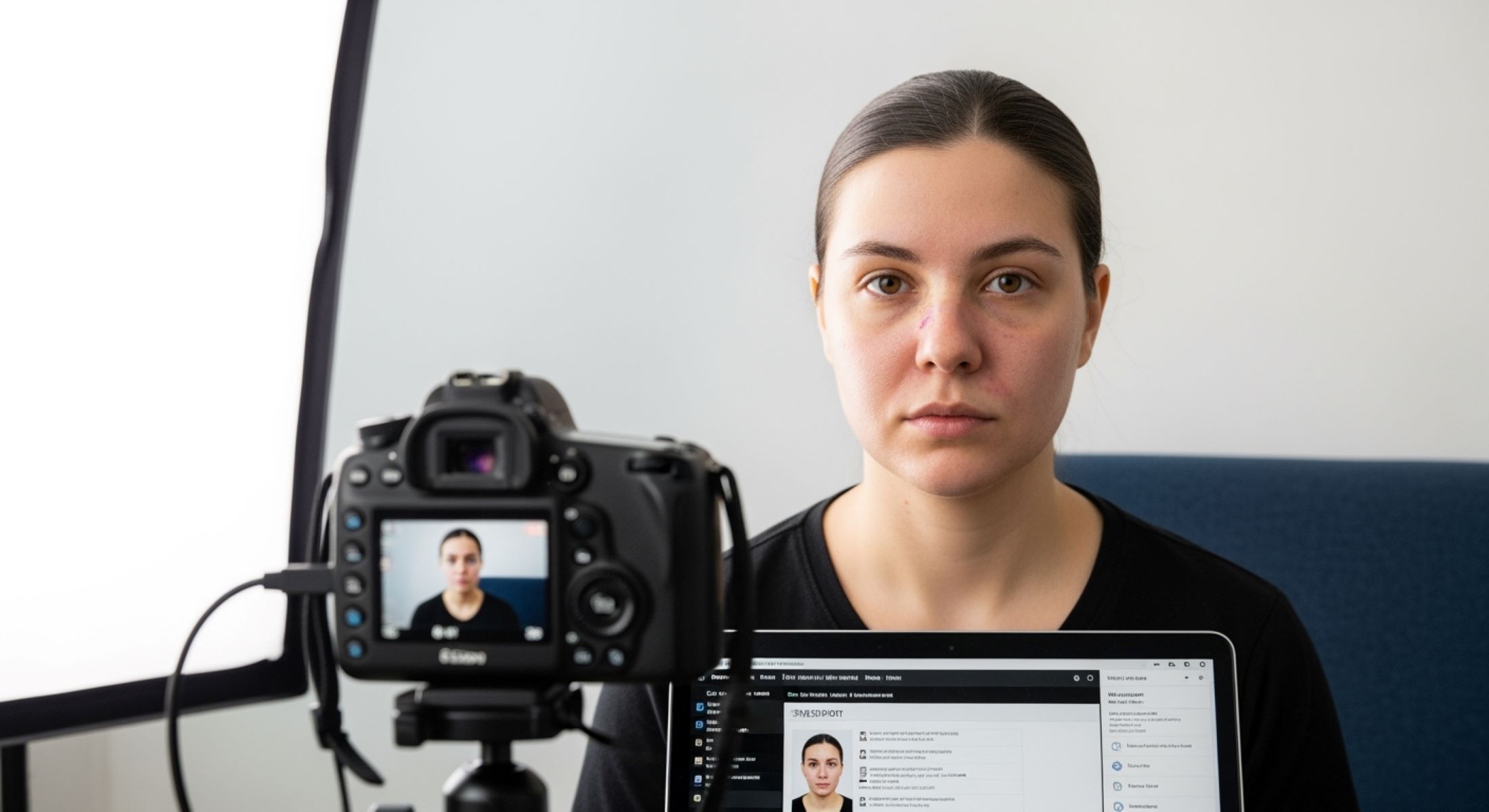
How to take a passport photo after plastic surgery or major appearance change
If you’ve recently gone through plastic surgery or experienced a major change in your appearance, getting a new passport photo might feel a little confusing. Do you really need a new one? What rules apply? How can you make sure your photo gets accepted and not rejected? Let’s break it down step by step.
Why Your Passport Photo Must Match Your Current Appearance
A passport is more than just a booklet or card; it is your official travel identity and a legal representation of who you are. Immigration authorities rely heavily on your passport photo to verify that the person presenting the document is actually the rightful owner. Any significant discrepancy between your photo and your current appearance can trigger delays, questioning, or even denial of entry at border checkpoints. This is why governments around the world enforce strict rules regarding passport photos and their accuracy. Ensuring that your photo reflects your true, current appearance helps prevent unnecessary complications during travel.
The first requirement is that your photo must be recent, typically taken within the last six months. This ensures that the image reflects your current facial features and any recent changes that may have occurred, such as weight fluctuations, facial surgeries, or medical conditions affecting your appearance. A photo that is too old can mislead authorities and create confusion. For example, someone who has undergone rhinoplasty or a facelift may look dramatically different from an old photo, making it harder for officers to verify identity quickly and accurately.
Another key aspect is that your photo must be true to your current appearance, without heavy editing, filters, or retouching. While it might be tempting to smooth out scars, blemishes, or swelling after surgery, altering your photo can lead to rejection. Passport authorities are trained to spot these modifications and require images that represent exactly who you are at the time of travel. Even small cosmetic enhancements can make the photo look unnatural, which is why keeping it as close to reality as possible is crucial.
Finally, your face in the photo must be fully unobstructed. This means no sunglasses, hats, scarves, or any objects that cover parts of your face. Border officers need a clear view of your eyes, nose, mouth, and overall facial structure to make a quick and accurate assessment. Think of it like meeting an old friend after a long time: if they struggle to recognize you because of major changes or obstructions, passport control will have the same difficulty. A clear, accurate, and up-to-date photo ensures smooth travel and prevents unnecessary stress at checkpoints.
When You Must Update Your Passport Photo
Not every small change in appearance requires a new passport photo, but certain circumstances make it absolutely necessary to update your photo to reflect your current look. Passport authorities prioritize accurate identification, and if your photo no longer resembles you, it can cause delays, questioning, or even denial at border control. Knowing exactly when to update your passport photo can save you time, stress, and potential travel disruptions.
- Significant plastic surgery that noticeably alters your facial features, such as rhinoplasty (nose reshaping), facelifts, jawline reconstruction, or cheek implants, which change the natural contours of your face.
- Facial trauma from accidents, burns, or injuries that permanently modify your facial structure, leaving scars, asymmetry, or swelling that makes your old photo unrecognizable.
- Gender transition procedures that affect the appearance of the face, including surgeries that alter the jawline, nose, or other facial features, ensuring that your passport photo reflects your true gender identity.
- Major weight loss or weight gain that substantially changes the shape of your face, cheeks, or neck, as even moderate changes can be noticeable enough to cause confusion during identity verification.
- Medical conditions or illnesses that permanently alter your facial features, such as facial paralysis, tumors, or other changes that modify the natural symmetry of your face.
- Cosmetic procedures that result in dramatic, long-term changes to facial proportions, beyond minor Botox or fillers, including extensive lip augmentation or eyebrow lifting that noticeably reshapes your appearance.
- Aging that has caused significant differences in your facial features, particularly if your last passport photo is several years old, making it difficult to match your current look.
- Any condition that affects your facial expressions or natural resting appearance in a way that could mislead officials, including post-surgical swelling, scars, or asymmetry that has become permanent.
- Major dental or orthodontic procedures that change the appearance of your smile, jawline, or chin profile in a way that impacts how your face is recognized in photos.
- Any combination of minor changes that collectively result in a significant difference from your old passport photo, such as multiple cosmetic tweaks or minor surgical adjustments that together create a noticeable shift.
Official Guidelines From Authorities
| Country | Authority | When a New Passport Photo Is Required | Notes / Details | Source |
| United States | U.S. State Department | Major facial surgery or trauma that changes your appearance significantly | Includes procedures like rhinoplasty, facelifts, jawline surgery, or accidents that leave permanent scars | Travel.gov – U.S. Passport Photos |
| United States | U.S. State Department | Significant changes due to aging | If aging has altered key facial features such as jawline, cheeks, or eyes to the point your photo no longer resembles you | Travel.gov – U.S. Passport Photos |
| United States | U.S. State Department | Gender transition that affects facial appearance | Any surgical or medical procedure that changes facial structure to reflect gender identity | Travel.gov – U.S. Passport Photos |
| United Kingdom | UK Passport Office | Any surgical change that makes your old photo unrecognizable | Passport photo must reflect your current appearance exactly; includes plastic surgery or trauma that modifies facial features | Gov.uk – Passport Photo Rules |
| United Kingdom | UK Passport Office | Natural aging or medical conditions causing major facial changes | Ensures that passport photo matches traveler’s current look; minor changes like haircuts do not require a new photo | Gov.uk – Passport Photo Rules |
Timing Matters: When to Take Your New Photo After Surgery
Timing is critical when taking a passport photo after any major surgery or appearance-altering procedure. If you take the photo too soon, your face may still show signs of healing such as swelling, bruising, or even temporary bandages. These visual changes can make the photo look different from your natural appearance, leading to rejection by passport authorities. A photo taken too early may not accurately reflect how you will look once fully healed, and this could cause unnecessary complications during travel.
On the other hand, waiting too long to update your passport photo also carries risks. If you delay, your old passport may no longer accurately represent your current appearance, and this could create issues when crossing international borders. Some travelers make the mistake of assuming that minor healing changes will be ignored, but border control officers are trained to identify discrepancies between your face and the photo on your passport. Timing, therefore, must strike a balance between allowing sufficient healing and maintaining up-to-date identification.
Different types of surgeries have different recommended waiting periods to ensure your appearance has stabilized. For example, rhinoplasty or nose surgery typically requires 2–3 months before swelling subsides enough for an accurate photo. Facelifts or jaw surgeries often need 3–6 months for natural healing and to allow facial contours to settle. Eyelid surgeries usually require 1–2 months, while minor procedures like Botox or fillers may not require a new photo at all unless the changes are drastic. Gender confirmation surgeries generally need six months or more to ensure stable results before capturing a passport photo.
It is always wise to consult with your surgeon or medical professional before scheduling a passport photo. Surgeons can provide guidance on when your face will look “settled” enough to reflect your true appearance. Planning ahead ensures that your passport photo meets all official requirements while avoiding the risk of rejection due to temporary post-surgical changes. Proper timing also gives you peace of mind, knowing that your passport photo accurately represents who you are today, making travel smoother and stress-free.
How to Take a Passport Photo After Plastic Surgery
Taking a passport photo after plastic surgery requires careful planning and attention to detail. Following the right steps ensures your photo meets official requirements and accurately represents your current appearance. Below is a detailed guide to help you prepare for and capture a passport-ready image after any significant changes to your face.
- Follow the standard photo rules regardless of surgery type. Your passport photo must have a white or light background, show your face directly facing the camera, and maintain a neutral expression with eyes open and clearly visible. The photo must be taken within the last six months to ensure it reflects your current appearance accurately. These basic rules are non-negotiable and form the foundation of a valid passport photo.
- Use proper lighting to capture your face clearly and evenly. Healing skin, swelling, or minor discoloration can create shadows or highlight imperfections. Soft, natural daylight is ideal, as it evenly illuminates the face without harsh shadows or glare. Avoid direct flash or uneven artificial lighting that can distort your features or make scars and swelling appear more pronounced.
- Keep makeup minimal and natural. While it may be tempting to use heavy foundation or contouring to hide scars, bruising, or swelling, excessive makeup can lead to your photo being rejected. Focus on even skin tone and a natural look that represents your true appearance. Avoid bright lipstick, exaggerated eyeliner, or heavy powder that could alter the perceived structure of your face.
- Remove any medical accessories before taking your photo. Bandages, splints, surgical tape, healing glasses, or eye shields must not be visible in your passport photo. If medical accessories are absolutely necessary, you will need a doctor’s note explaining the situation. Passport authorities require a fully unobstructed view of your face to verify your identity accurately.
- Choose the right time to take your photo. Do not rush into taking it immediately after surgery, as swelling and bruising can distort your appearance. On the other hand, do not wait so long that your old passport becomes outdated or unrepresentative of your current look. Timing is critical to ensure your photo accurately reflects your healed and natural facial appearance.
- Ensure your hairstyle and facial hair are simple and unobtrusive. Avoid extreme hairdos, bright dyes, or dramatic changes that could draw attention away from your facial features. For facial hair, keep it consistent with how you plan to appear while traveling. Border authorities rely on facial recognition, so simplicity helps maintain a match with your natural features.
- Dress in plain clothing that does not distract from your face. Patterns, bold colors, or reflective fabrics can shift the focus from your facial features. A simple top with a neutral color is ideal. This ensures that passport authorities can focus entirely on your face for identification purposes.
Common Mistakes People Make
| Mistake | Description | Why It Causes Problems | How to Avoid It | Example Scenario |
| Taking the photo while still bruised or swollen | Capturing your photo before healing is complete | Swelling or bruising can make your face look different from your natural appearance, leading to rejection | Wait until bruising and swelling have fully subsided before taking the photo | Taking a passport photo 1 week after rhinoplasty while nose is still swollen |
| Using old photos taken before surgery | Submitting a passport photo that no longer reflects current appearance | Authorities may not recognize you, delaying entry or rejecting your application | Always take a new photo after major surgery or appearance-altering changes | Using a pre-facelift photo months after surgery |
| Over-editing or retouching the photo | Excessive use of filters, smoothing, or digital alterations | Alters your actual facial features and may be considered fraudulent | Keep edits minimal, focus on natural skin tone, and avoid altering facial structure | Brightening skin and reshaping nose digitally to hide scars |
| Ignoring background requirements | Using a photo with patterned, dark, or cluttered backgrounds | Disqualifies the photo as it does not meet official guidelines | Use a plain white or light-colored background | Taking a passport photo at home with a messy wall or colored backdrop |
| Improper expression or posture | Smiling, frowning, tilting head, or not facing camera directly | Facial recognition relies on neutral expression and straight-on view; deviations can cause rejection | Keep a neutral expression, face the camera directly, and maintain proper posture | Tilting head slightly and smiling in a post-surgery photo |
Can You Travel With Your Old Passport After Surgery?
In certain situations, it may be technically possible to travel using your old passport even after a major surgery or appearance-altering procedure. Minor cosmetic changes, such as a small filler or a subtle haircut, typically do not require a new passport photo. Border officials are trained to account for small, natural variations in appearance. However, relying on your old passport carries inherent risks if your facial features have been altered significantly. Immigration officers may have difficulty verifying your identity, which could lead to delays, questioning, or even denial of entry.
If your surgery has caused dramatic changes—such as a rhinoplasty that reshapes your nose, a facelift that alters your jawline, or other reconstructive procedures—it is much more likely that border control will flag your old passport. Differences in facial contours, swelling, scars, or healed surgical alterations can make your photo look unrecognizable. Even if you are carrying additional identification, authorities may still require a passport that accurately represents your current appearance. Traveling without updating your passport in these cases is a gamble that can result in stress, missed flights, or denied entry.
Some travelers attempt to mitigate these issues by carrying a combination of old and new identification documents, along with a doctor’s note explaining their recent surgery or facial changes. This strategy can occasionally help in clarifying discrepancies, especially for minor or recent procedures. The doctor’s note can serve as an official confirmation of your altered appearance and provide context to border officers. However, it is important to note that this is not a guaranteed solution, and acceptance varies by country, officer discretion, and the severity of the appearance change.
Ultimately, the safest and most reliable approach is to obtain a new passport with an updated photo that reflects your current look. Doing so ensures that your identity is verified quickly and accurately at immigration checkpoints, reducing the risk of complications or delays. Updating your passport not only simplifies your travel experience but also aligns with legal requirements, giving you peace of mind and confidence when passing through border control.