
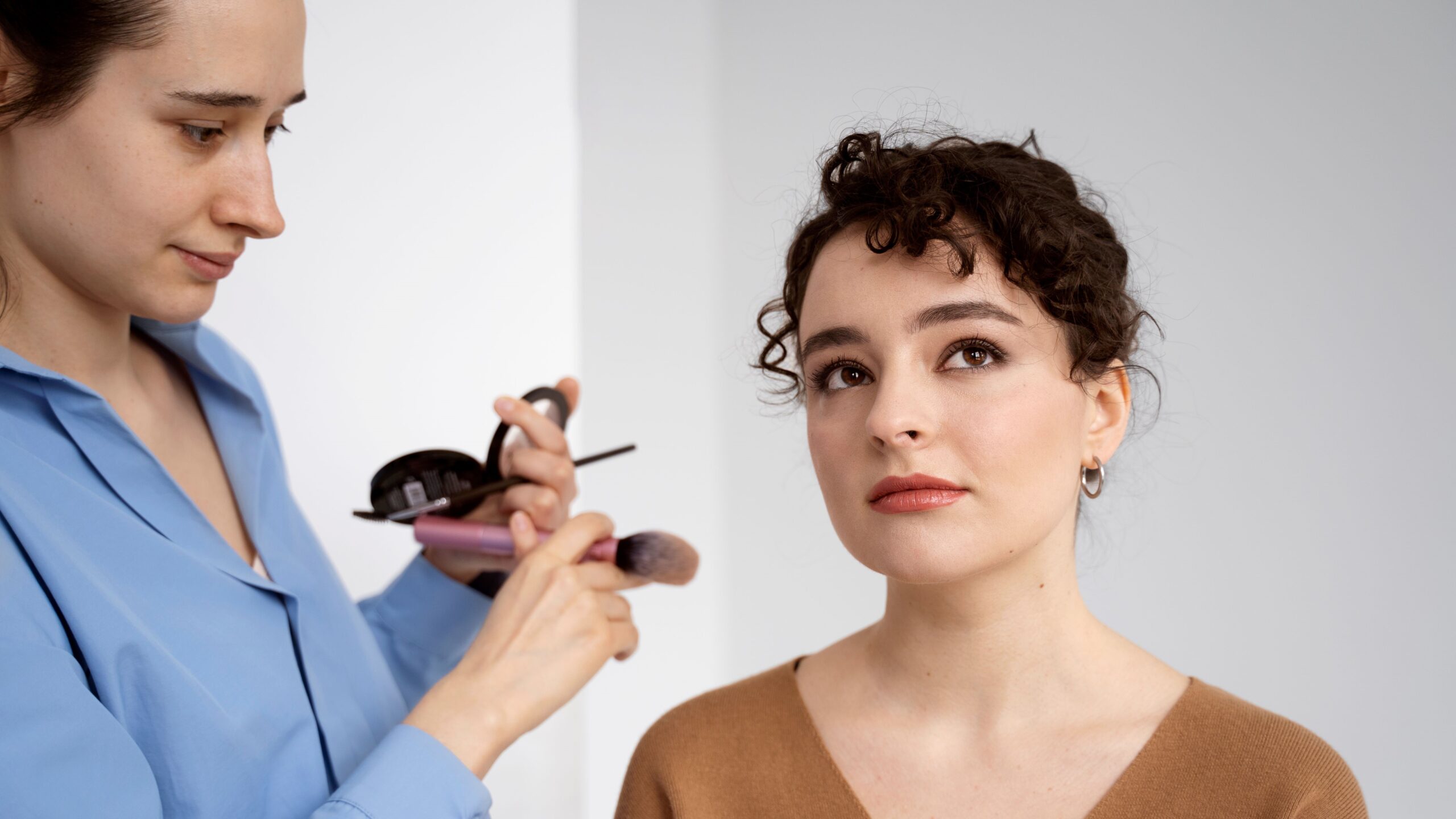
Jewelry, makeup, and hair: what’s acceptable in a U.S. passport photo?
When it comes to U.S. passport photos, the rules aren’t just picky details—they’re deal breakers. A tiny mistake with your jewelry, makeup, or hairstyle could mean a rejected application and weeks of unnecessary delays. Imagine standing in line at the passport office only to be told, “Sorry, your photo doesn’t meet the requirements.” Not fun, right? That’s why it’s crucial to understand exactly what’s acceptable and what’s not. In this guide, we’ll dive deep into the world of U.S. passport photo rules—specifically focusing on what you can do with your jewelry, makeup, and hair. Whether you’re someone who loves bold looks or you prefer a natural vibe, knowing the guidelines ahead of time will save you headaches later.
The Basics of U.S. Passport Photo Requirements
Before diving into style and personal touches, it’s essential to understand the foundation of U.S. passport photo rules. These regulations exist to ensure that every photo submitted clearly and accurately represents the applicant. Passport photos are not just formalities—they are critical for identification purposes and are used by border officials, airlines, and government agencies. Any deviation from the required standards can result in rejection, which can delay travel plans significantly. Understanding these basics helps you avoid common mistakes and ensures your application proceeds smoothly.
The U.S. Department of State has set precise specifications for size, composition, and quality. The standard size is 2×2 inches, a small but strict format that demands careful framing. The head must be centered and facing forward, with eyes clearly visible. This ensures that your facial features are captured accurately and that the photo will work with biometric identification systems used at airports and border crossings. Any tilt, turn, or unusual angle could interfere with facial recognition technology, potentially leading to delays or the need for a reshoot.
Another crucial aspect is facial expression and background. Applicants are required to maintain a neutral expression or a slight natural smile, avoiding exaggerated expressions that might distort facial features. The background must be plain white or off-white, free of patterns, textures, or shadows that could interfere with clarity. This uniform backdrop ensures that the focus remains on your face, making it easier for officials to identify you. Shadows, uneven lighting, or complex backgrounds are among the most common reasons photos are rejected.
Finally, photo quality and recency are key. The image must be high resolution, sharply focused, and free from any blurring or reflections. It should be a true representation of your current appearance, taken within the last six months. This rule accounts for changes in hairstyle, aging, or other physical alterations that may occur over time. By adhering to these standards, you provide a passport photo that is clear, accurate, and compliant—minimizing the risk of delays and ensuring smooth processing of your passport application.
Jewelry in U.S. Passport Photos
When it comes to U.S. passport photos, jewelry is allowed, but only under strict guidelines. The primary rule is that it should not hide or alter your natural appearance. Your passport photo needs to reflect your true self, so any jewelry that distracts from your facial features or casts shadows can result in rejection. The key is moderation, simplicity, and making sure nothing interferes with the clarity of your face.
- Small stud earrings are perfectly fine and generally do not interfere with your facial features. They are subtle, lightweight, and unlikely to reflect light in a way that causes issues with your photo.
- Tiny hoops or small huggie earrings can also be worn as long as they don’t dangle and obstruct your cheeks, jawline, or neck area.
- Delicate necklaces that sit flat against your collarbone and don’t cover your neck are acceptable. They shouldn’t create glare or appear bulky in the photo.
- Discreet rings on hands or fingers may be visible in full-body photos but are usually not an issue since passport photos focus on the face and shoulders.
- Simple nose studs or very small, subtle facial piercings may be allowed, but they must not create reflections or obscure any part of your face.
- Large statement earrings that cover parts of your cheeks or extend below the jawline can distort your face in the photo.
- Dangling or chandelier-style earrings that move or cast shadows on the face are not allowed.
- Oversized or chunky necklaces that reflect light or block part of the neck are likely to be rejected.
- Facial piercings that are shiny, oversized, or cover parts of your features—like large nose rings, lip rings, or eyebrow jewelry—can interfere with identification and are discouraged.
- Highly reflective or metallic jewelry that catches the camera flash and causes glare can make your face harder to see, which may lead to the photo being rejected.
Makeup in U.S. Passport Photos
| Makeup Aspect | What It Means | Accepted for Passport Photo | Not Recommended | Tips for Passport-Friendly Look |
| Foundation | Base layer for even skin tone | Light to medium coverage that matches your natural skin | Heavy, thick foundation that changes natural skin color | Use matte foundation; avoid reflective or shimmery formulas |
| Eye Makeup | Enhances eyes | Light mascara, subtle eyeliner that doesn’t alter eye shape | Smoky eyes, thick eyeliner, overly dark or dramatic eyeshadow | Keep eyeliner thin; use neutral tones; ensure eyes are clearly visible |
| Lips | Adds color and definition | Natural lip colors or soft matte shades | Bright neon, glossy, or over-lined lips | Choose a lipstick close to your natural lip color; matte finish recommended |
| Brows | Frames the face | Lightly defined or natural brows | Overdrawn or unnatural shapes that change your appearance | Fill gaps gently; keep shape natural and symmetrical |
| Additional Enhancements | Conceal imperfections, highlight features | Subtle concealer for blemishes, light contour if natural | Heavy contouring, glitter, or reflective highlighter that changes facial appearance | Blend well; ensure face features remain true to life and clear |
Hair in U.S. Passport Photos
When it comes to U.S. passport photos, you do have some freedom to style your hair, but there are important rules to follow. The main principle is that your face must be fully visible from the bottom of your chin to the top of your forehead, and from ear to ear. Any hairstyle that covers these key areas or creates shadows can lead to a rejected photo. Passport photos are used for official identification, so clarity and accuracy are the priorities over style or fashion trends.
Acceptable hairstyles are those that keep your face unobstructed. Loose hair is fine as long as it is tucked behind your ears so that all facial features are visible. Ponytails, buns, or other styles that pull hair away from the face are also allowed, and they often make it easier to capture a clean and symmetrical image. Natural textures, waves, and curls are acceptable as well, provided they don’t obscure the eyes, eyebrows, or any part of your face. Essentially, the goal is to present a clear, realistic image of yourself without distractions.
Some hairstyles, however, are outright unacceptable. Bangs or fringe that cover the eyebrows, extreme hair volume that hides the ears or cheekbones, or hair that casts shadows across the face can all result in your photo being rejected. Additionally, accessories such as headbands, scarves, or hats are generally not allowed unless they are worn for religious or medical reasons, and even then, they must not hide the face. Overly styled or dramatic hairdos that interfere with facial recognition are strongly discouraged.
It’s also important to consider lighting when choosing your hairstyle. Even a well-structured hairstyle can create unwanted shadows if your hair falls unevenly or reflects light. When in doubt, keeping hair simple, tidy, and natural is the safest approach. Your passport photo is meant to be a timeless and accurate representation of your appearance, so practical and clear hairstyles are always the best choice. This ensures that officials can easily recognize you, now and years down the line, and minimizes the chance of having to retake the photo.
Glasses and Accessories: A Strict Rule
When it comes to U.S. passport photos, glasses are no longer permitted in any standard application since 2016. This rule was introduced to ensure that facial features are clearly visible for identification purposes, and it applies to virtually all types of eyewear. Even if your glasses are prescription, lightly tinted, or reading lenses, they are strictly prohibited unless a medical exception is documented with a signed doctor’s note. Border officials need an unobstructed view of your eyes, and any reflective surfaces or frames can interfere with photo quality and facial recognition systems.
- Prescription glasses: Even if you wear them daily, you cannot have them on in your passport photo. Frames or lenses can create glare, obscure eyes, or distort facial features.
- Tinted lenses: Sunglasses, gradient lenses, or any tint on your glasses is not allowed. Tinting can hide the natural appearance of your eyes and make it difficult for officials to recognize you.
- Reading glasses: Small, thin-framed reading glasses are still prohibited. The goal is to maintain an entirely unobstructed view of the eye area.
- Frames and reflections: Thick or bulky frames, as well as reflective lenses, can create shadows or glare that compromise the quality of your photo.
- Medical exceptions: If glasses are medically necessary and cannot be removed, you must submit a signed statement from a licensed doctor explaining why. The glasses must still not obscure the eyes or alter facial recognition.
- Other accessories: Hats, headbands, and other facial accessories are also restricted unless worn for religious or medical reasons. Even then, your full face must be visible from chin to forehead and ear to ear.
- Impact on photo approval: Wearing glasses or accessories that violate these rules is one of the most common reasons passport photos are rejected, often causing delays of several weeks.
- Best practice: Always remove glasses and any non-essential accessories before taking the photo. This ensures the photo meets all official requirements and avoids unnecessary reshoots.
Religious and Medical Exceptions
| Type | Description | Allowed in Passport Photo | Restrictions | Tips for Compliance |
| Religious Head Coverings | Items worn for faith or spiritual reasons | Hijabs, turbans, yarmulkes, kippahs, or other religious head coverings | Must not cover the face from chin to forehead or ears | Ensure the face is fully visible; adjust head covering to expose all facial features |
| Medical Devices | Essential medical equipment worn on the head or face | Hearing aids, oxygen tubes, bandages, or other necessary medical devices | Devices must not obstruct the face or create shadows that hide features | Position devices carefully to keep all facial features clear; check photo for shadows |
| Face Visibility | Core requirement for exceptions | Full face must be visible, regardless of religious or medical items | No item may hide eyes, nose, mouth, or facial structure | Use mirrors or camera checks to confirm face is fully visible |
| Lighting Considerations | How items interact with light | Ensure coverings or devices do not cast shadows or reflect light | Avoid shiny fabrics or reflective surfaces on religious or medical items | Adjust lighting and angles to minimize glare and ensure clarity |
| Documentation | Required proof for medical exceptions | Signed doctor’s note explaining necessity | Must clearly justify why item cannot be removed | Attach note with application; ensure photo still meets all other passport standards |
Lighting and Shadows: Why Your Style Choices Matter
When preparing for a U.S. passport photo, it’s easy to focus only on the rules for jewelry, makeup, and hair—but even technically acceptable styles can cause problems if lighting isn’t considered. Sparkly earrings, glossy makeup, or voluminous hairstyles can all reflect light in unexpected ways, creating glare or shadows that obscure facial features. Passport officials need a clear, unobstructed view of your face, and even minor lighting issues can lead to rejection. Understanding how your personal style interacts with light is essential for producing a compliant photo the first time.
Jewelry is a common culprit when it comes to unwanted reflections. Even small, shiny earrings or metallic necklaces can catch the camera flash, creating bright spots that distract from your face. Overly reflective surfaces on glasses or piercings are another major issue, which is why glasses are generally prohibited. Similarly, makeup with shimmer or highlighter can appear bright under flash photography, changing the appearance of your skin tone or facial contours. Matte products are recommended because they reduce the risk of glare and ensure your features are represented accurately.
Hairstyles also play a key role in lighting. Thick, fluffy, or voluminous hair can cast shadows over parts of your face, particularly around the eyes and jawline. Bangs, side-swept fringes, or hair covering ears can obscure essential facial features that officials rely on for identification. Even natural textures like curls or waves, if positioned incorrectly, can create uneven shadows. Keeping hair tidy and pulled back where possible helps maintain uniform lighting across the face and prevents rejection due to shadowed or obscured features.
Finally, overall photo setup matters just as much as your style choices. Lighting should be even and bright, avoiding harsh overhead or side lighting that can exaggerate shadows. A plain white or off-white background helps reflect light evenly onto your face, minimizing dark spots or highlights. By considering how jewelry, makeup, and hairstyles interact with lighting, you ensure that your passport photo accurately represents your appearance. In the end, careful planning and simple styling choices make the difference between a photo that’s accepted and one that’s rejected.