
Facial recognition and passport photos: why neutrality matters
Facial recognition is everywhere—from unlocking your phone to verifying your identity at the airport. Governments, banks, and tech companies all rely on this technology because it’s fast, accurate, and usually more secure than traditional methods. But here’s the catch: the accuracy of facial recognition systems heavily depends on the quality and consistency of the images used. That’s exactly why passport photos matter so much. When applying for a passport, you’ve probably been told: no smiling, look straight ahead, neutral expression. Ever wondered why? It’s not just about looking serious. It’s about ensuring the technology can recognize you without confusion or bias.
The Science Behind Facial Recognition
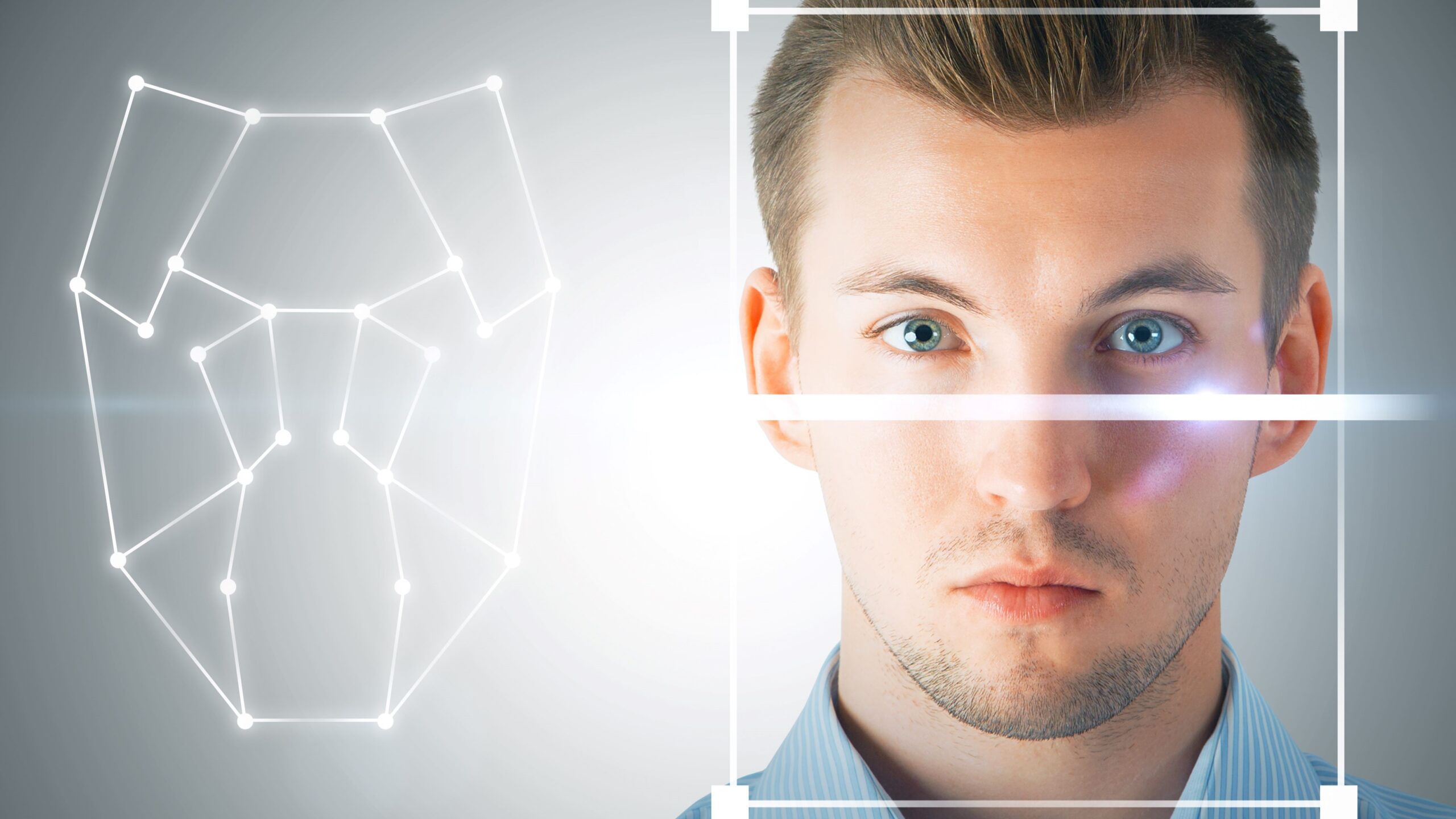
Facial recognition technology is a remarkable blend of computer vision, artificial intelligence, and biometric science. At its core, it works by capturing and analyzing the distinct features that make each human face unique. These features, often called facial landmarks, include the distance between the eyes, the shape and width of the nose, the contours of the jawline, the position of the mouth, and the height of the forehead. Each of these measurements contributes to creating a geometric map or “facial signature” that serves as a digital representation of a person’s identity. Unlike traditional identification methods like ID cards or passwords, this biometric approach relies on physical traits that are inherently difficult to replicate, providing a higher level of security and accuracy.
To build an effective facial map, the technology must detect and measure these features precisely. Modern algorithms use sophisticated techniques such as 3D modeling, infrared imaging, and deep learning to capture subtle nuances in the face. For instance, 3D recognition helps account for variations in lighting and angle by creating a volumetric model, while deep learning algorithms can identify patterns and correlations that human eyes might overlook. The technology doesn’t just see a face as an image; it interprets the spatial relationships between key points, calculating proportions, angles, and relative distances. These calculations form a highly detailed numerical representation, which can then be stored in databases or compared to other images for identification or verification purposes.
Consistency is crucial for the reliability of facial recognition systems. Even minor changes in expression, head tilt, or camera angle can alter the facial geometry enough to confuse the algorithm. For example, a broad smile can shift the cheekbones, squint the eyes, and raise the corners of the mouth, subtly changing the spatial relationships between landmarks. Similarly, tilting the head can distort perceived distances between facial features, and varying lighting conditions can obscure details or cast misleading shadows. Because of this, systems often require neutral expressions, proper lighting, and a straight head position to ensure that each measurement remains stable and comparable over time.
The science behind facial recognition also highlights the importance of large, diverse datasets in training algorithms. A robust system must learn to identify faces across different ages, ethnicities, and environmental conditions. Machine learning models are trained on thousands, sometimes millions, of sample images to recognize patterns that remain consistent despite minor variations. By combining geometric analysis with statistical modeling, these systems can achieve remarkable accuracy, distinguishing between millions of individuals. In essence, facial recognition is not just about seeing a face—it’s about interpreting a complex set of measurements and relationships in a way that machines can understand, compare, and verify, all while accounting for the subtle shifts that make each face both unique and identifiable.
Why Neutrality in Passport Photos Is Non-Negotiable
- Neutrality ensures that the facial expression is consistent and standard across all images, which is essential for accurate recognition by machines.
- A straight face provides a stable baseline for facial recognition systems, minimizing distortions caused by smiling, frowning, or other exaggerated expressions.
- Maintaining a level head keeps the geometric relationships between facial features intact, preventing tilts that could alter the perceived distances between eyes, nose, mouth, and jawline.
- Neutral expressions help eliminate variations in muscle tension around the cheeks, eyes, and mouth, which can shift key landmarks and confuse algorithms.
- Consistent lighting is crucial to avoid shadows or bright spots that could obscure important facial features and interfere with the system’s ability to detect contours.
- Avoiding accessories, patterns, or busy backgrounds ensures that the system focuses solely on the face without distraction, improving detection accuracy.
- Neutrality minimizes errors in cross-referencing your photo with previously stored images, reducing the chances of false negatives where the system fails to recognize you.
- A neutral image acts as a universal “baseline,” allowing recognition software to match faces accurately across different cameras, lighting conditions, and locations.
- Small facial movements, like raised eyebrows or slightly parted lips, may seem trivial to humans but can alter the facial map enough to cause mismatches in automated systems.
- Maintaining neutrality in passport photos reduces the risk of algorithmic bias by ensuring that every image is processed under consistent conditions, making recognition fairer across demographics.
- A neutral pose preserves facial symmetry, which is a critical factor for the accuracy of biometric analysis, since asymmetrical expressions can distort spatial measurements.
- Neutrality also improves system efficiency, as standardized images allow algorithms to process and compare faces more quickly without the need for additional adjustments.
- Consistent baseline images help prevent security issues such as identity fraud or misidentification during border control, immigration, and other identity verification processes.
- Neutrality supports international standards set by organizations like the ICAO, ensuring your passport photo meets global requirements for machine-readable and biometric-enabled documents.
- Ultimately, a neutral passport photo is not about appearing serious or unfriendly—it’s about creating a reliable, consistent representation of your identity that machines can recognize anywhere in the world.
International Standards for Passport Photos
| Requirement | Accepted Standard | Not Allowed | Reason for Standard | Tips for Compliance |
| Expression | Neutral, mouth closed | Smiling, frowning, exaggerated expressions | Ensures consistent facial geometry for recognition systems | Keep lips relaxed, avoid tilting corners of the mouth |
| Head Position | Centered, straight, facing forward | Tilted, turned, angled | Maintains alignment of facial landmarks for accurate mapping | Align your eyes with the camera lens, keep chin level |
| Background | Plain, light-colored (white or off-white) | Patterns, textured, dark backgrounds | Prevents distractions and ensures face is clearly detected | Use a plain wall or professional photo backdrop |
| Accessories | Religious headgear allowed (face fully visible) | Hats, sunglasses, scarves covering face | Ensures all facial features are visible for machine recognition | Remove glasses with glare, ensure forehead and jawline are exposed |
| Lighting | Even, no shadows, well-balanced | Harsh lighting, deep shadows, overexposure | Maintains visibility of facial features and prevents distortion | Use natural light or diffused lighting; avoid direct flash |
The Problem with Smiling in Passport Photos
While a smile might seem like a friendly or natural expression, it introduces significant complications for facial recognition systems. Even subtle changes in facial muscles can alter the geometric patterns that biometric algorithms rely on. When you smile, your cheeks rise, which shifts the contours of your face and can make your jawline appear differently than when your expression is neutral. For a machine, these small changes may be interpreted as differences between two separate individuals, making recognition less reliable. This is why authorities emphasize a neutral expression as the standard for passport photos.
Smiling also affects the eyes, which are critical landmarks in facial mapping. As you smile, your eyes naturally squint, creating changes in the shape and spacing that the system measures. Since facial recognition software calculates distances between key points such as the eyes, nose, and mouth, even minor variations in eye shape or position can introduce inaccuracies. Machines lack the flexibility of human recognition and cannot always account for these dynamic changes, which increases the likelihood of mismatches or failed identifications.
The mouth is another area where smiling creates inconsistency. Curved lips, teeth exposure, or subtle asymmetry caused by a grin can distort the baseline measurements stored in databases. Unlike humans, who can easily recognize familiar faces despite changes in expression, machines rely on precise, repeatable data. A smiling photo does not provide a consistent reference, reducing the system’s ability to correctly match your image under different conditions, such as varying lighting or camera angles.
Ultimately, the goal of a neutral passport photo is to capture a baseline representation of your face that remains stable over time. Neutrality ensures that biometric systems can identify you reliably, regardless of minor fluctuations in your natural expressions throughout the day. By removing the variables introduced by smiling, frowning, or other facial movements, passport authorities create images that optimize accuracy, minimize errors, and improve security. In short, while a smile may be inviting to humans, it is a complication for the precise, machine-driven world of facial recognition.
Neutrality Reduces Algorithmic Bias
- Neutrality in passport photos minimizes the variability in facial features caused by expressions, helping algorithms focus on consistent measurements rather than emotional changes.
- Standardized, neutral images ensure that the system evaluates each face under the same conditions, reducing unintended discrepancies across different groups of people.
- Neutral photos help mitigate biases that may arise from training datasets, which can sometimes overrepresent certain demographics while underrepresenting others.
- By removing exaggerated expressions, raised eyebrows, or tilted heads, neutral photos create a uniform baseline that improves the fairness of recognition for women, children, and people with darker skin tones.
- Neutrality ensures that facial landmarks, such as eyes, nose, and mouth, are consistently positioned and measured, reducing the risk of algorithmic misidentification.
- A consistent, neutral expression reduces false negatives, where the system fails to recognize a person, and false positives, where it incorrectly matches them to someone else.
- Neutrality in images prevents facial recognition software from being influenced by temporary features, such as smiles, frowns, or other dynamic facial movements that differ across individuals.
- By using neutral images, authorities can create more balanced datasets for training algorithms, which improves overall accuracy and reduces systemic bias in recognition systems.
- Consistent baseline images support cross-demographic equality, ensuring that recognition accuracy does not vary significantly between ethnicities, ages, or genders.
- Neutrality allows machines to compare and verify faces more effectively in international systems, where differences in facial expressions across cultures could otherwise introduce bias.
- Standardized neutral photos facilitate the creation of global benchmarks for biometric verification, improving fairness and reliability in passport control and identity verification.
- Eliminating emotional variability in images simplifies the algorithm’s task, reducing the chance that inherent biases in software are amplified by inconsistent photo submissions.
Facial Symmetry and Neutral Expressions
| Factor | Neutral Standard | Effect of Variation | Impact on Recognition | Tips for Compliance |
| Facial Expression | Neutral, relaxed | Smiling, frowning, raised eyebrows | Changes in muscle tension can distort facial landmarks | Keep lips closed, avoid exaggerated expressions |
| Head Position | Straight, level, facing camera | Tilted, turned, angled | Alters symmetry of key points like eyes, nose, and jawline | Keep chin parallel to the ground, align eyes with camera lens |
| Cheek Position | Relaxed, natural | Cheeks raised during smile or expression | Shifts contours and affects distance measurements | Maintain relaxed cheeks and natural muscle tone |
| Eye Shape | Open, even | Squinting or widened eyes due to expression | Distorts distance between eyes and surrounding landmarks | Look directly at the camera, keep eyes naturally open |
| Jawline & Mouth | Closed, aligned | Jaw shifts, mouth curves during expressions | Changes lower-face geometry, impacting recognition | Keep jaw relaxed, mouth closed, avoid tilting head |
The Role of Background in Facial Recognition
While it may seem like the background of a passport photo is a minor detail, it plays a surprisingly significant role in facial recognition accuracy. Recognition algorithms are designed to focus on the unique features of your face, but complex or patterned backgrounds can confuse these systems. When there are multiple colors, textures, or objects behind you, the software may struggle to distinguish the edges of your face from surrounding elements. This can lead to errors in identifying facial landmarks or calculating distances between key points, ultimately reducing the reliability of recognition systems.
Plain, light-colored backgrounds are the standard for a reason. They provide a neutral canvas that allows the algorithm to isolate the face without distractions. A simple background ensures that shadows, reflections, or objects in the environment do not interfere with the software’s ability to map facial features accurately. Light-colored backgrounds, in particular, improve contrast between the subject’s face and the surrounding space, making key features such as the jawline, nose, and eyes stand out more clearly for measurement and analysis.
Cluttered or patterned backgrounds can introduce subtle distortions in the recognition process. For example, shadows cast by objects or uneven lighting behind the subject may be interpreted by the system as part of the face or obscure parts of the facial structure. Even minor distractions, such as lines or textures in the background, can impact the precision of automated measurements. This is why international standards, such as those set by the ICAO, emphasize the importance of consistency and simplicity in passport photo backgrounds—accuracy is prioritized over aesthetics.
Finally, a clean background contributes to long-term reliability in facial recognition systems. Passport photos are often stored in databases for years, and the baseline image needs to remain consistent for future identification, regardless of lighting or environmental changes in subsequent scans. By using a simple, uniform background, authorities ensure that every facial scan is comparable and accurate, minimizing mismatches and false negatives. In essence, the background is more than just a backdrop—it is a critical factor in the precision and effectiveness of biometric identity verification.